

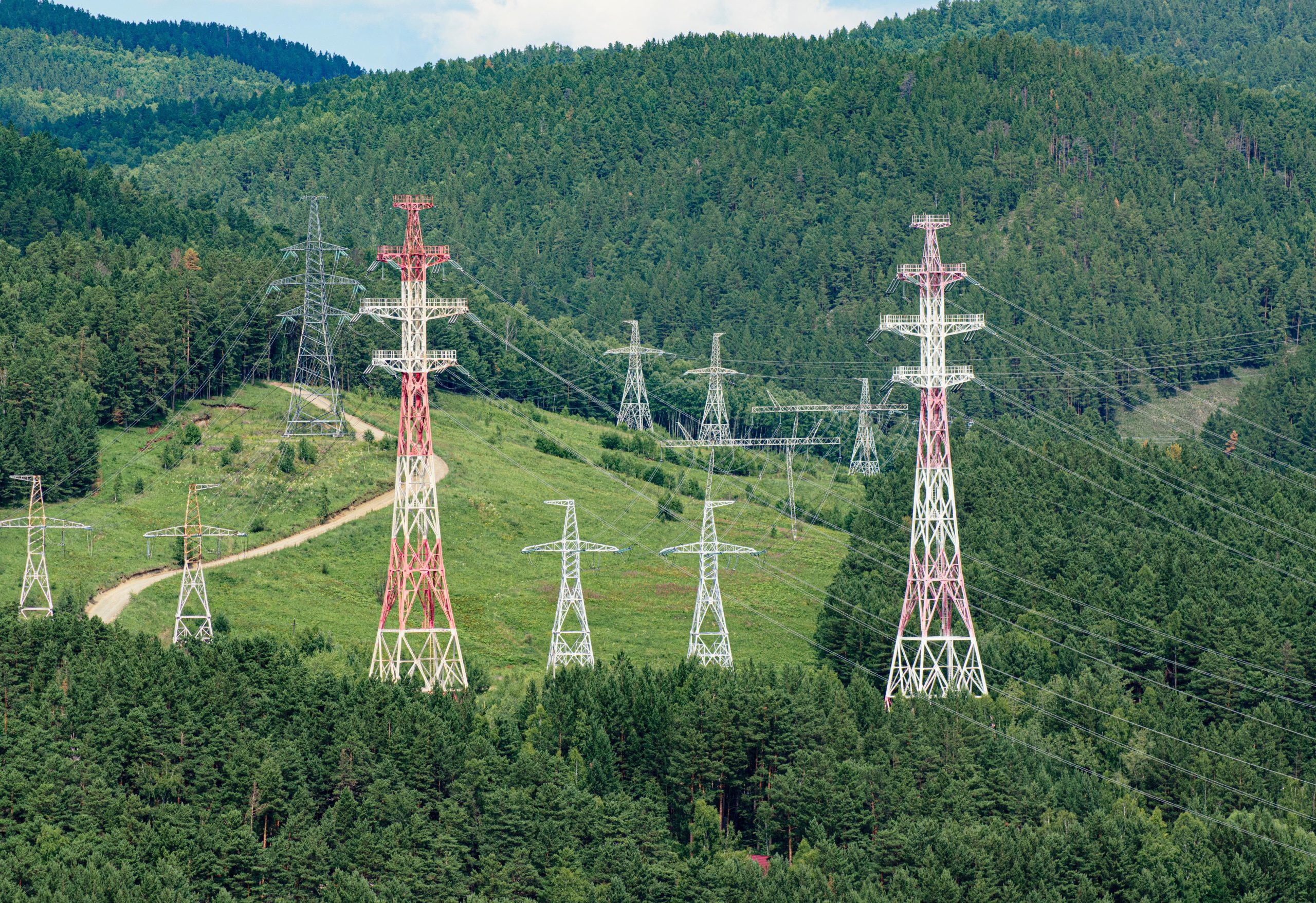
South Africa has no shortage of renewable energy proposals. The harder task is getting electricity from strong wind and solar regions to the towns, mines and industrial centres that need it. That makes transmission infrastructure central to the country’s energy transition.
Thank you for reading this post, don't forget to subscribe!Solar and wind resources are not evenly distributed. Much of the country’s best wind potential lies in the Western and Eastern Cape, while large demand centres are elsewhere. New generation can be built faster than high-voltage lines, substations and connection capacity. When the grid is full, a technically sound project may wait for a connection or compete for scarce capacity. The result is a bottleneck that raises costs and slows investment.
The government’s Integrated Resource Plan 2025 places transmission development among the levers needed to secure electricity supply. Its planning assumptions also connect new renewable capacity with grid infrastructure. This is a useful reminder that generation targets cannot be considered in isolation. The country needs coordinated decisions about where to build, when lines will be ready and how new projects will connect.
Regulation is evolving alongside the physical network. NERSA’s electricity regulatory rules page lists the approved Grid Capacity Allocation Rules. Transparent allocation matters because developers and lenders need to understand how available capacity is assigned. Clear rules can reduce uncertainty, but they cannot replace construction crews, equipment, land access and long-term maintenance.
Transmission expansion also has a local dimension. New corridors require environmental review, consultation with affected communities and fair processes for land access. Procurement needs to build durable assets while supporting skills and supplier capability. Delays at any stage can push back projects and leave valuable generation stranded.
Storage, flexible generation and regional power trade can help balance the system, but each depends on a robust grid. Batteries can shift energy across hours; they cannot deliver power through a constrained line. Cross-border trade can support reliability if interconnectors and market rules are available.
South Africa’s clean-power pipeline will be measured not only by megawatts announced, but by megawatts connected and delivered when customers need them. For investors and electricity users, the transmission plan is becoming as important as the generation plan. The grid is the bridge between renewable potential and a working power system.
This is also a planning and governance challenge. Grid projects often cross municipal and provincial boundaries, while the benefits reach customers far from the construction site. Publishing milestones, connection queues and procurement updates can help communities and developers understand where delays sit. Better coordination between generation and network plans would make investment decisions more predictable. It would also help distinguish projects delayed by equipment or permits from those waiting for capacity that has not yet been built.
More reporting: Known Magazine Africa’s Energy coverage.
Photo: Transmission tower stock image from Pexels


