




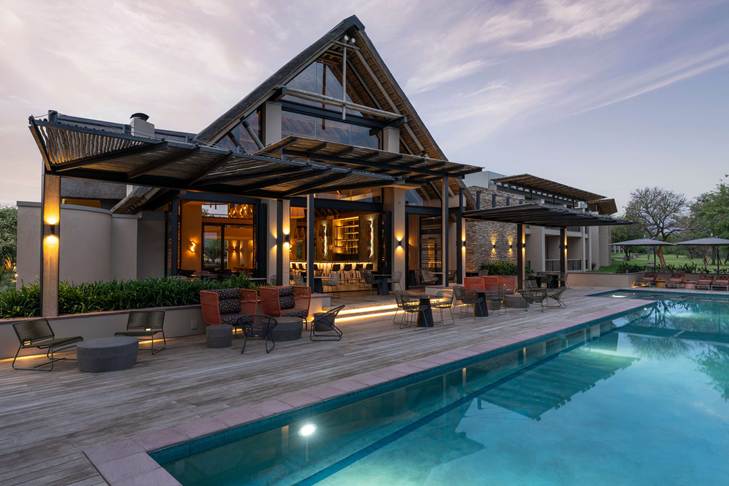
SolarAfrica has partnered with Radisson Safari Hotel Hoedspruit in Limpopo to support what the companies describe as Africa’s first independently Verified Net Zero hotel. The project combines existing on-site measures with renewable energy certificates and a planned wheeling agreement, rather than relying on a single new installation.
Thank you for reading this post, don't forget to subscribe!The 138-room hotel near the Kruger National Park forms part of Radisson Hotel Group’s ambition to have 100 Verified Net Zero hotels by 2030. According to the supplied announcement, TÜV Rheinland independently assessed its status, with the programme addressing emissions across Scopes 1, 2 and 3.
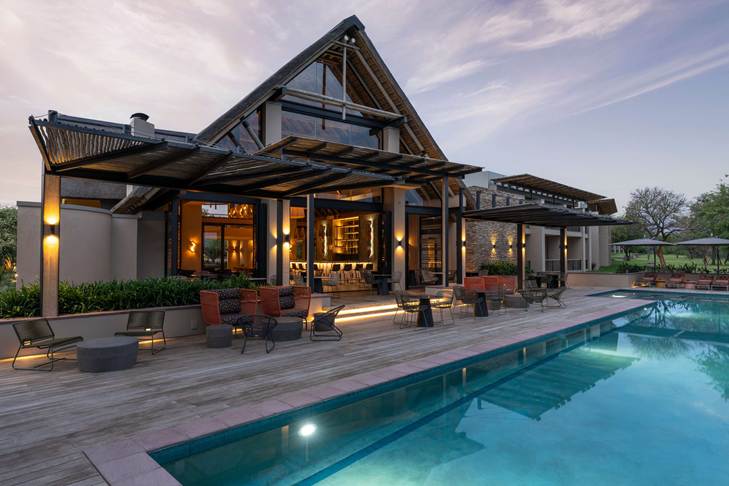
Building on the hotel’s existing systems
The hotel already had on-site solar, waste reduction, water conservation, low-carbon dining and electrified operations in place. Its programme also uses carbon credits. SolarAfrica’s role was to help meet the remaining green electricity requirements through a phased approach that could develop alongside the property’s needs.
Renewable Energy Certificates provide traceable renewable attributes for the hotel’s immediate requirements. A wheeling agreement, expected to take effect in 2027, is intended to introduce an additional source of renewable electricity through the national grid. The distinction matters: certificates account for renewable attributes, while the planned wheeling arrangement concerns off-site generation supplied through the grid.
Wheeling can allow businesses to procure electricity from utility-scale projects without needing enough land or roof space at their own premises. The announcement identifies SolarAfrica’s SunCentral as an example of this type of generation. Readers can explore the wider commercial context in Known’s coverage of renewable power purchase agreements and energy risk.
David McDonald, CEO of SolarAfrica, said the starting point for a business is not necessarily a new solar installation. The first step is to understand its objectives, assess the infrastructure already in place and identify what can be added over time.
“With Radisson Safari Hotel Hoedspruit, now a Verified Net Zero Hotel, we had a very clear objective: help the hotel meet its current renewable energy requirements while putting the right solutions in place to support its longer-term ambitions,” he said.
Why flexibility matters for hotels
McDonald said hospitality businesses can face practical limits on rooftop generation. Some do not own their buildings, while others lack sufficient space to generate all the electricity they need. He also pointed to the challenge of lengthy energy commitments when businesses want flexibility in their planning.
“When you’re working towards ambitious sustainability targets, waiting until you can install the perfect single solution isn’t practical,” he said. In his view, the development of virtual power options gives businesses more ways to decide where they source electricity and how they use it to meet their goals.
The hotel’s status reflects a broader operational programme, rather than a claim that one solar installation has removed every source of emissions. Its combination of electricity measures, resource conservation and carbon credits is part of the approach described in the announcement.
A hospitality milestone in Limpopo
Danie Smit, General Manager of Radisson Safari Hotel Hoedspruit, said the milestone demonstrates what can happen when sustainability is embedded in daily operations. He linked the property’s environmental work to its location, where the natural surroundings are central to the guest experience.
“This milestone shows that existing hotels can make the transition to net zero, setting a practical example for the hospitality industry in South Africa and beyond,” Smit said.
For SolarAfrica, the partnership also illustrates how businesses can introduce on-site generation, wheeling and complementary solutions progressively. McDonald said that a flexible procurement approach could help businesses manage long-term electricity costs as the market changes. The announcement did not provide a quantified saving for this hotel.
Further property information is available from Radisson Safari Hotel Hoedspruit. For related reporting, visit Known Magazine Africa’s energy coverage.
Radisson’s official announcement sets out the verification programme and its approach to reducing emissions before addressing residual emissions.

Founded in 2011, SolarAfrica supplies commercial and industrial customers in Southern Africa with a range of green energy solutions. Its offering includes on-site solar and battery storage alongside virtual solutions such as wheeling, trading and aggregation. The company says its work with the hotel is intended to show how those approaches can be combined over time, starting with existing infrastructure and adapting as business needs change. The hotel partnership is therefore both a specific hospitality project and an example of a phased approach to renewable energy procurement.