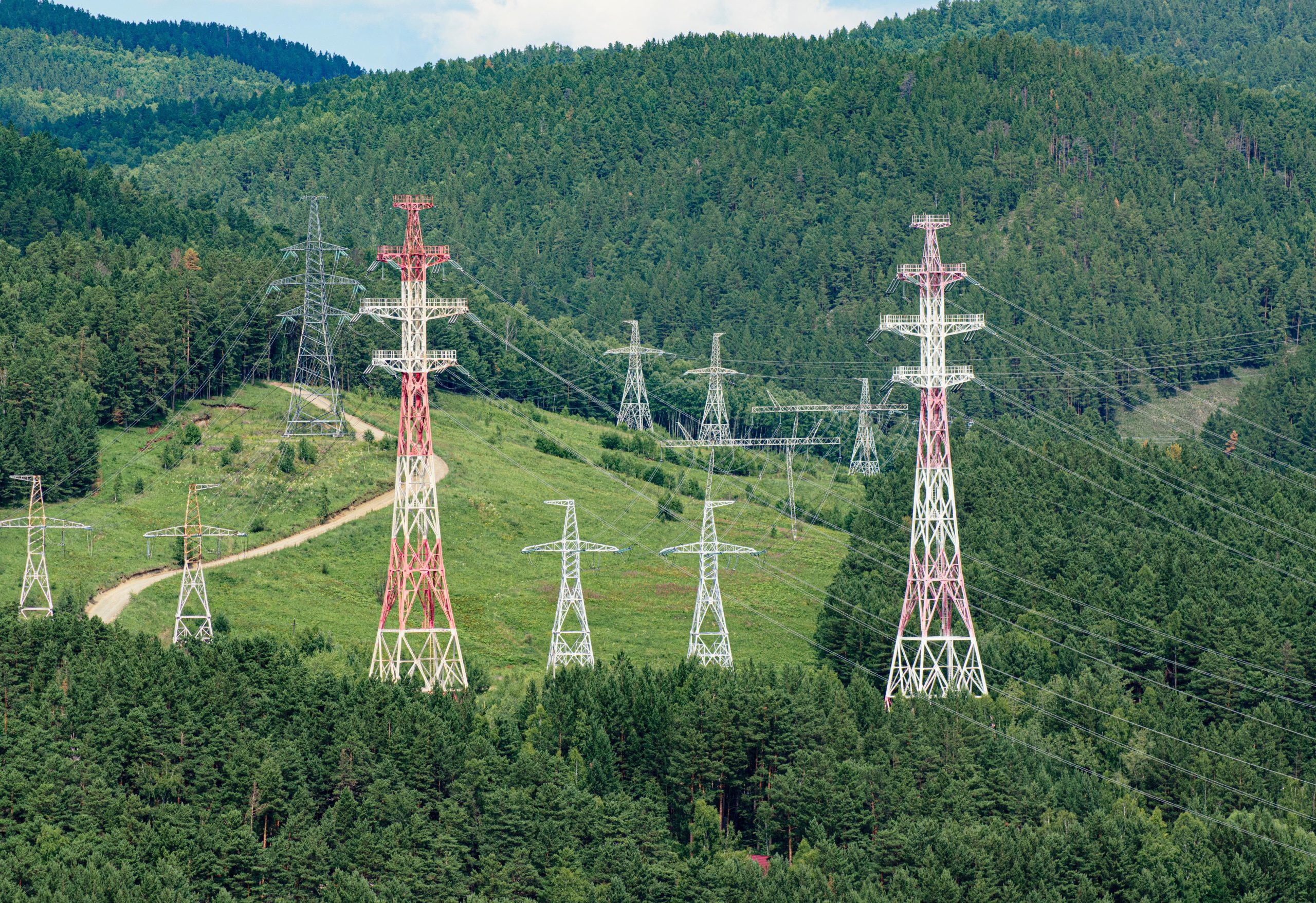
Expanding electricity access in Africa is not simply a matter of building more power stations. The last mile often requires local distribution lines, mini-grids, household systems, affordable connections and reliable service after the ribbon-cutting. Each part needs financing suited to the customers and communities it serves.
Thank you for reading this post, don't forget to subscribe!The International Energy Agency estimates that around 600 million people in sub-Saharan Africa lacked access to electricity in 2024. Its Financing Electricity Access in Africa report says annual investment will need to increase substantially to reach universal access by 2035. The report points to a mix of grid expansion, mini-grids and stand-alone solar systems. The right choice depends on settlement density, distance from existing infrastructure, demand and what households can afford.
Commercial capital is essential, but many access projects carry risks that private lenders cannot price cheaply. Customers may have irregular incomes, demand may grow slowly and currency movements can increase the cost of imported equipment. Regulations may be unclear about tariffs or what happens when a national grid arrives. Concessional finance, guarantees, grants and public investment can reduce specific risks and attract private participation, provided support is transparent and tied to lasting service.
Connection affordability matters as much as the cost of generation. A nearby power line does not deliver access if the household cannot afford the connection fee or the monthly bill. Targeted subsidies can help poorer customers connect while preserving the utility’s ability to maintain the system. Prepaid meters and digital payment tools may improve convenience, but they do not replace fair tariffs or responsive customer service.
Electricity access also has to support livelihoods. A reliable supply can help a barber keep equipment running, a clinic refrigerate medicines and a farmer store produce. Productive-use financing for pumps, cold rooms and machinery can increase demand and local income, improving the business case for operators. But programmes should be designed with communities so equipment matches local needs and can be repaired locally.
The World Bank and African Development Bank’s Mission 300 initiative aims to connect 300 million people by 2030, combining grid growth with decentralised solutions. The IEA’s investment pathway makes clear that ambition must be matched by large, sustained capital flows and better project preparation.
Patient finance is not a subsidy without accountability. It is a way to fund infrastructure whose social and economic value may emerge over many years. Governments, development banks, utilities and private operators each have a role. Success should be judged by whether people receive safe, affordable and dependable electricity, and whether the systems are still working years after commissioning.
Project preparation is another funding priority. Reliable demand estimates, land records, environmental safeguards and standard contracts can reduce the time lenders spend resolving basic questions. Public agencies can pool small projects into larger portfolios that are more attractive to investors, while maintaining local accountability. Better data on service quality, affordability and outage frequency will help governments direct support to places where it can make the greatest difference.
More reporting: Known Magazine Africa’s Energy coverage.
Photo: Related stock image on Pexels