

Battery energy storage is becoming a familiar part of South Africa’s electricity conversation. Its value is easiest to understand when the job is clearly defined. A battery can store electricity when supply is available and release it later, helping manage peaks, support local networks and make variable solar or wind generation more useful. It is not a power station that produces energy from nothing.
Thank you for reading this post, don't forget to subscribe!Eskom’s Battery Energy Storage System programme was designed to distribute storage across sites on the network. In its 2025 sustainability reporting, the utility described the Hex installation in the Western Cape as a 100 megawatt-hour system and outlined a broader programme across several provinces. The purpose includes making electricity available when needed and improving power quality as renewable generation grows. Eskom’s BESS project information sets out the programme’s planned capacity and locations.
The distinction between power and energy matters. Megawatts describe how quickly a battery can deliver electricity; megawatt-hours describe how much it can hold. A 100 MWh battery rated at 20 MW could, in ideal conditions, deliver that output for five hours. Actual performance depends on operating limits, losses, temperature, degradation and the reserve kept for system services. Headlines that quote one figure without the other can make a project sound more capable than it is.
Grid batteries can charge when electricity is abundant or demand is low, then discharge during a more valuable period. They can respond quickly, which helps with frequency and voltage support. Co-located batteries can also reduce the mismatch between daytime solar output and evening demand. But storage has a round-trip loss: more electricity goes in than comes back out. The charging source and tariff therefore matter to cost and emissions.
A battery also has a finite life. Cell replacement, fire safety, cooling, software and recycling arrangements must be part of the business case. For households and firms, a battery may be justified by backup requirements even when the direct energy savings alone are modest. For the grid, the case depends on how the asset is dispatched and paid for.
South Africa needs a portfolio of solutions. The IEA’s electricity analysis discusses the system changes required as power mixes evolve. Batteries are one part of that work, alongside transmission, flexible generation, demand response and stronger distribution networks. The technology is valuable precisely when expectations remain realistic: storage shifts electricity across time, while the wider system must still generate enough energy and move it to customers.
Procurement should include an operating strategy, not only a construction contract. Operators need to decide when to charge, which services to provide and how to preserve capacity for emergencies. Market rules affect whether a battery can earn revenue from several services at once. Clear performance reporting will help customers compare projects and show whether expected benefits are being delivered over time.
More reporting: Known Magazine Africa’s Energy coverage.
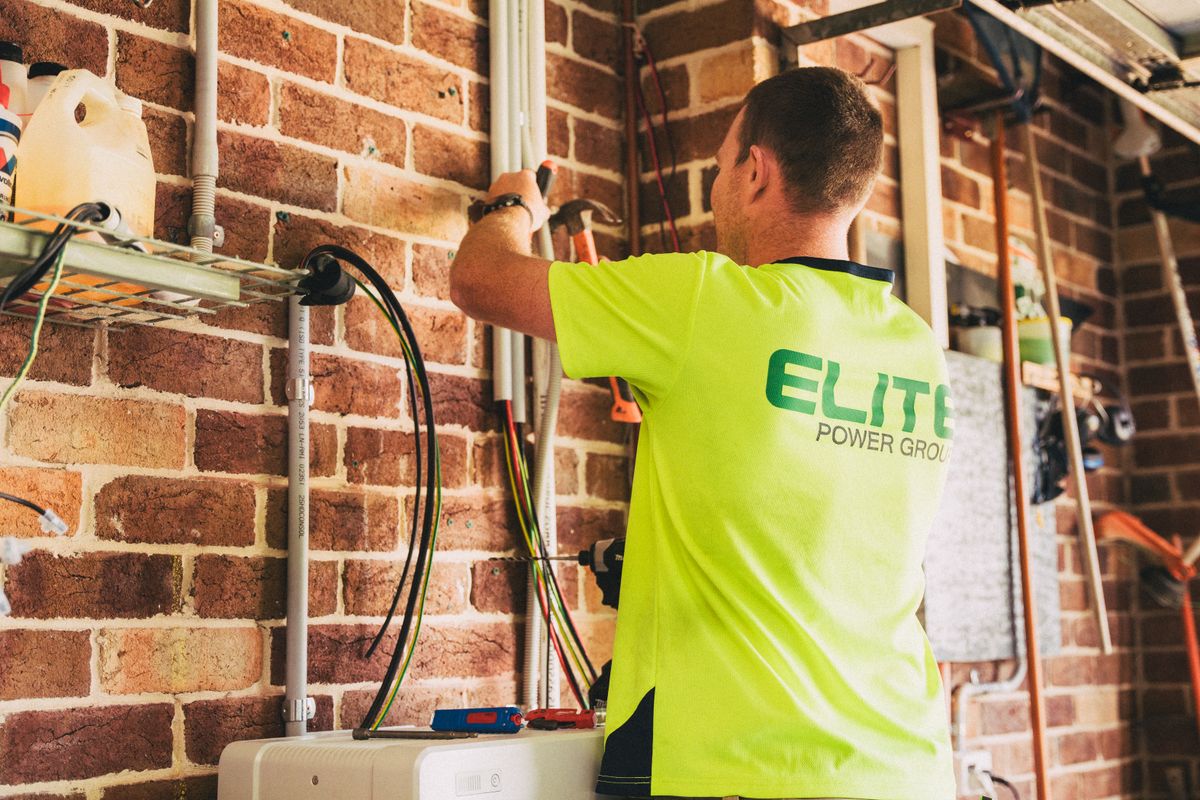
Photo: Solar battery stock image from Pexels


