

For a village or trading centre far from a reliable grid connection, electricity access can be an economic question as much as a household service. A solar mini-grid can supply power locally, using panels, batteries and a small distribution network. Its long-term success depends on whether people and businesses can afford the service and make productive use of it.
Thank you for reading this post, don't forget to subscribe!The International Energy Agency estimates that about 600 million people in sub-Saharan Africa lacked electricity access in 2024. Its Financing Electricity Access in Africa report argues that reaching universal access will require a mix of grid extension, mini-grids and stand-alone systems. No single technology fits every settlement. Density, distance, demand, terrain and the cost of extending the main grid all shape the practical choice.
A mini-grid needs more than installed panels. Developers must forecast demand, maintain equipment and collect payments. A system sized only for lights and phone charging may not support the growth of a clinic, school, cold room or workshop. Yet building far ahead of demand can leave expensive capacity unused. Productive-use equipment, such as refrigeration, milling machines and water pumps, can help create steady demand and local income.
Affordability is central. A project may be technically sound while its tariff remains too high for households with irregular incomes. Public support can close part of the gap, but should be targeted and predictable. The IEA’s pathway to universal access estimates that much higher investment will be required and points to the role of concessional finance and stronger regulation. Investors also need clarity about tariffs, licenses, the arrival of a future grid connection and compensation for assets if the main grid reaches the area.
Nigeria offers a useful example of scale. The World Bank reports that the Nigeria Electrification Project supported 125 mini-grids and more than a million solar home system sales, helping over 5.5 million people gain access. Its project account shows how public support, private operators and technical assistance can work together. The model will need to be adapted to local conditions rather than copied mechanically.
For African energy access, the measure of success should be reliable and affordable service over time. A mini-grid should enable a shop to stay open, a vaccine refrigerator to remain cold and students to study after sunset. Reaching those outcomes takes careful planning, local engagement and maintenance budgets that last beyond launch day.
Local ownership and service capacity can make a difference to reliability. A trained technician within reach can diagnose a fault more quickly than a team travelling from a distant city. Community representatives should have a clear channel to raise billing or service problems, and developers should explain how tariffs are reviewed. These practical details rarely feature in launch announcements, yet they shape whether residents trust the system and remain connected.
More reporting: Known Magazine Africa’s Energy coverage.
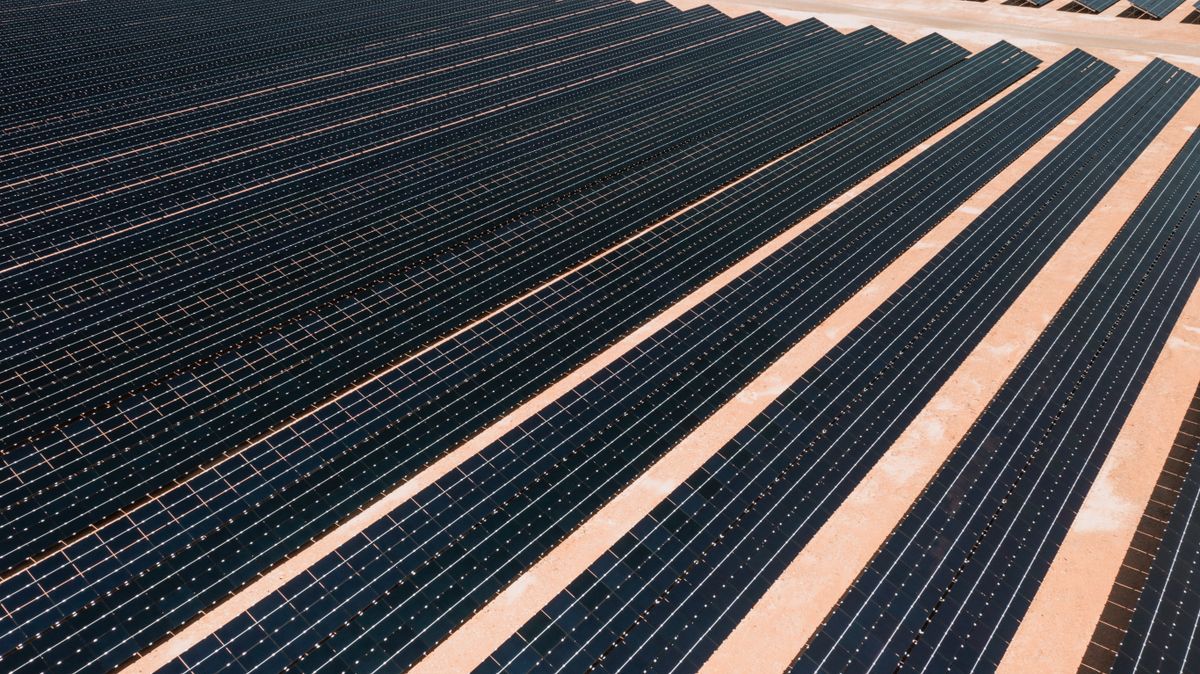
Photo: Solar farm stock image from Pexels


