

Electricity wheeling allows a buyer to purchase power from a generator connected elsewhere and use the public network to deliver it. The generator and customer do not need to sit beside one another, but the transaction depends on a system of contracts, meters, network charges and settlement rules. For South African businesses, wheeling can widen the choice of renewable supply while making the grid’s role more important, not less.
Thank you for reading this post, don't forget to subscribe!A company with a factory in Gauteng could contract with a wind or solar project in another province. The electricity is injected into the network at one point and the customer draws power at another. Because electrons follow the physics of the grid rather than a commercial contract, the operator accounts for the transaction financially. The buyer still pays for network services and remains subject to the terms of its supply arrangement with its distributor.
South Africa’s policy framework is changing. The Electricity Regulation Amendment Act, signed in 2024, provides for a competitive electricity market and strengthens the role of transmission system operation. NERSA has published regulatory rules on network charges for third-party transportation of energy and approved Grid Capacity Allocation Rules. The latest material is available through NERSA’s regulatory rules portal. Companies should verify which rules apply to their route and counterparties before committing capital.
Wheeling can help energy-intensive firms manage price exposure, meet procurement targets and support new generation. It can also make projects more bankable by connecting them to customers prepared to sign long-term contracts. But the contract must account for imbalance, curtailment, shape, transmission losses, settlement timing and what happens if the plant produces less than expected. A low headline energy price may not be the lowest total delivered cost.
Municipal readiness differs. Some distributors have introduced processes and tariffs, while others may still be developing systems for registration, metering and billing. A customer should ask for written confirmation of connection capacity, charges, application timeframes and the treatment of surplus energy. Legal and technical advisers can help align the power purchase agreement with the network rules.
Wheeling does not eliminate the need for the national grid. It uses that infrastructure to connect supply and demand across distance. Transmission investment, transparent access rules and reliable settlement are therefore prerequisites for a broader market. The reform opportunity is meaningful, but its benefits will depend on implementation details that customers can understand and finance. South Africa’s power market is opening; disciplined contracts will determine whether that opening delivers dependable electricity and lower costs.
The accounting must be credible as well as the contract. Buyers should agree how renewable attributes are recorded so the same megawatt-hour is not claimed by multiple parties. They should also test the deal against different production and demand scenarios, including a weak wind or solar year. A robust agreement makes clear who pays for deviations and how disputes are resolved. Independent legal and technical review can prevent an attractive price from obscuring costly obligations.
More reporting: Known Magazine Africa’s Energy coverage.
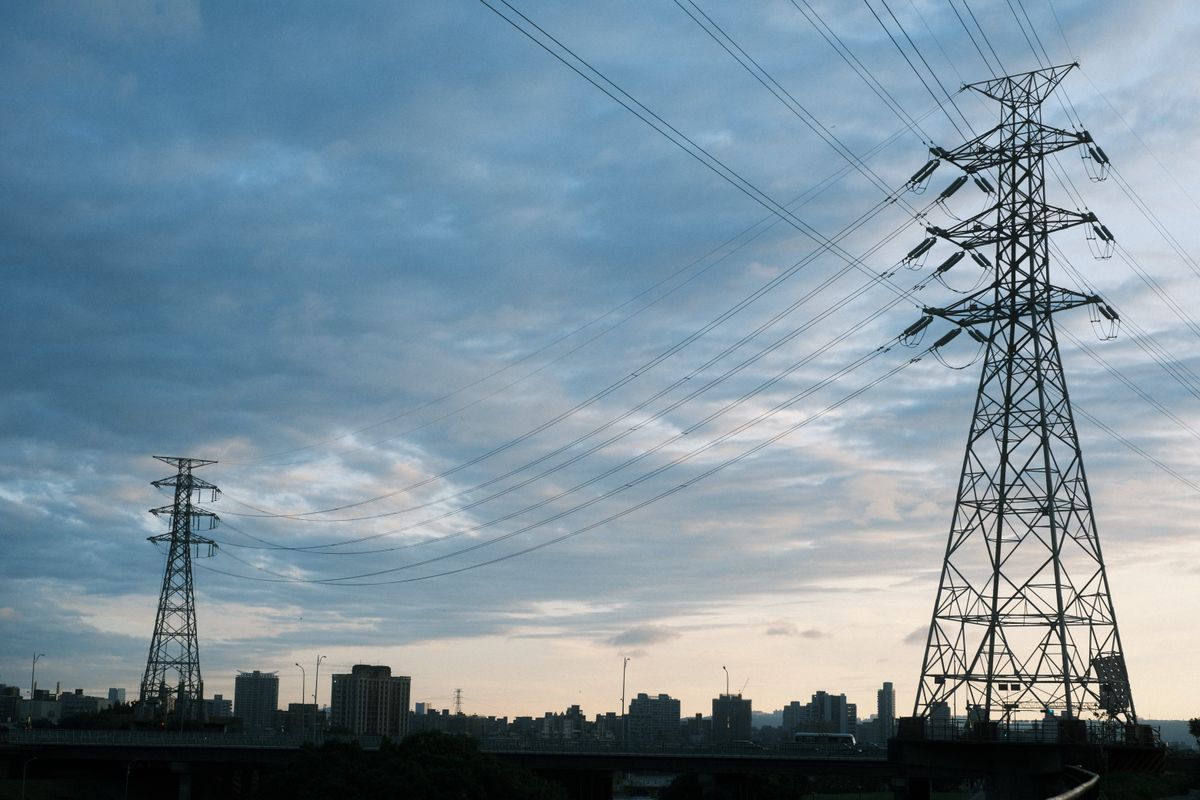
Photo: Transmission tower stock image from Pexels


