




The Trevor Noah Foundation introduced the Khulani Nathi Innovation Fund, a R30-million initiative supporting South African education non-profits. The fund is aimed at organisations working on teacher development and pathways that give young people more opportunities. Its name, in isiXhosa, means “we grow together” – a fitting idea for a programme that backs local organisations rather than trying to solve everything from one office.
Thank you for reading this post, don't forget to subscribe!That approach matters. People who work in schools and communities every day often know exactly where the gaps are: a teacher who needs new skills, a learner who needs a route into training, or a promising programme that can’t grow because its funding is too short-term. The fund is designed to give organisations flexible support so they can build on ideas that are already taking root.
The foundation’s work has also included its Khulani Schools programme. Its 2024 annual report describes partnerships focused on strengthening education, including work in literacy and programmes that bring new learning tools into schools. The foundation has also backed initiatives involving AI and robotics, with the aim of helping educators and learners engage with skills that are becoming part of the modern workplace.
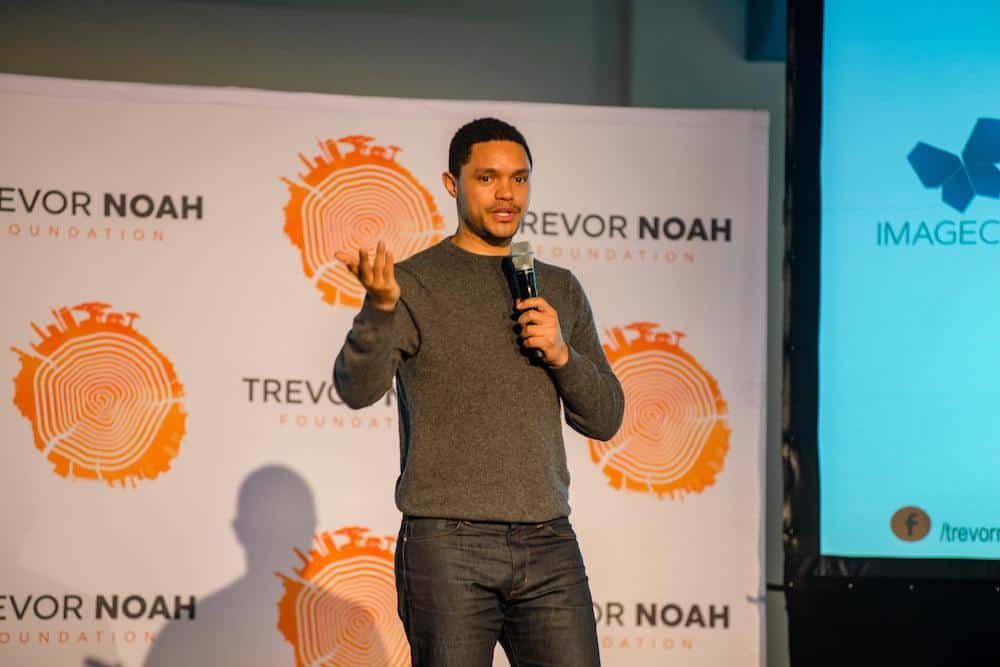
Noah’s public profile could easily have made this a story about a famous comedian donating money. The more interesting story is that the foundation is trying to support a wider education ecosystem: teachers, non-profits and young people all have a part to play. Funding can give a good idea breathing room, but it doesn’t replace the people who build trust with learners and families.
There’s a practical message here for anyone who cares about education. Big problems rarely have one magic fix, and local organisations can struggle to keep effective work going when every grant comes with a short clock. A fund that gives promising groups room to plan beyond the next few months could help them make more lasting changes.
For a comedian known around the world, this is a quieter kind of headline. It is about putting resources behind people who are already doing the work, and giving more South Africans the chance to grow into what comes next.