South Africa’s nuclear debate has become more practical since the National Nuclear Regulator approved longer operating periods for both Koeberg units. Unit 1 received a long-term operating licence in July 2024, and Eskom announced in November 2025 that Unit 2 had received a 20-year extension to 2045. The decision keeps a major source of low-carbon, dispatchable electricity in the country’s resource mix, subject to the regulator’s conditions and continuing safety oversight.
Thank you for reading this post, don't forget to subscribe!Koeberg’s role is different from that of solar and wind. The station can supply power regardless of whether the sun is shining or the wind is blowing. That steady output can help support the system, particularly as variable renewable generation expands. But nuclear power is not a substitute for every other investment. The grid still needs flexible resources, strong transmission, reliable distribution and enough generation to meet demand during maintenance or unexpected outages.
The licence extension followed a technical and regulatory process. It is not a guarantee that the plant will operate without interruption. Nuclear facilities require rigorous maintenance, inspection, security and safety oversight. Eskom has described major upgrades and work at Koeberg as part of the long-term operating process. The National Nuclear Regulator and Eskom’s Koeberg long-term operation page provide official updates for readers seeking the licensing record and technical documents.
The extension also shifts the timing of South Africa’s planning choices. Retaining an existing plant for longer may reduce pressure to replace its output immediately, but the country must still plan for eventual retirement. New nuclear construction would involve a different set of questions: financing, procurement, construction timelines, skills, waste management and public confidence. An operating licence for Koeberg does not answer those questions by itself.
The Integrated Resource Plan 2025 places nuclear alongside renewables, gas, storage and other resources as part of a broader supply strategy. Its user-friendly summary describes the need to balance security of supply, cost and environmental impact. That balance deserves scrutiny as assumptions on demand, technology prices and plant performance change.
For consumers, the central question is whether the power system can deliver affordable electricity reliably. Koeberg’s extended operating horizon gives planners more time, not a reason to delay other work. South Africa will need clear reporting on safety, maintenance performance and costs, alongside transparent decisions about future generation. Nuclear power can contribute to that system, but its value rests on strong institutions and evidence-led oversight.
Public confidence depends on information that is timely and understandable. Communities near the station deserve access to safety updates, emergency planning and environmental monitoring, while customers need a clear view of generation performance. The regulator’s oversight remains central throughout an extended operating period. Regular disclosure can help separate technical evidence from political argument and ensure that decisions about future nuclear investment are grounded in actual operating results.
More reporting: Known Magazine Africa’s Energy coverage.
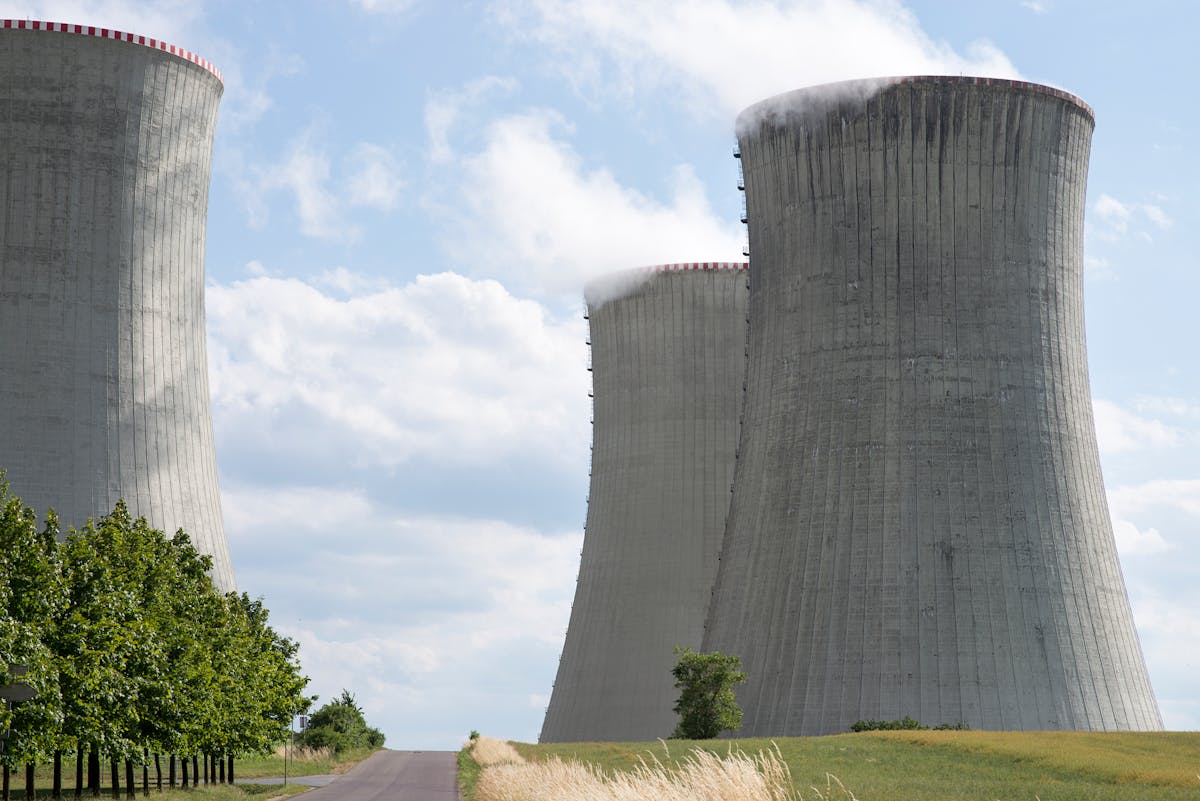
Photo: Nuclear plant stock image from Pexels