





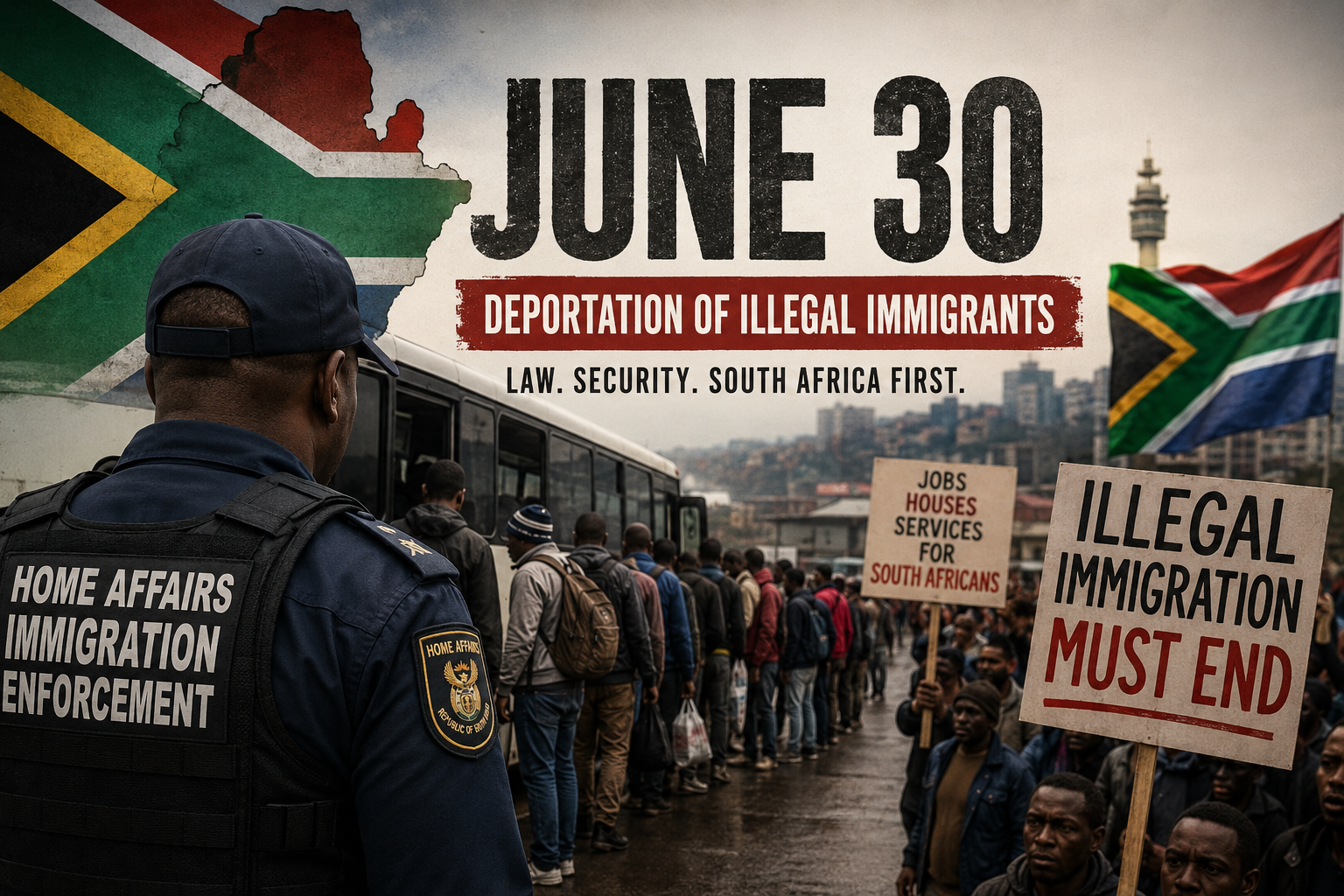
As South Africa approaches the controversial June 30 deadline championed by anti-immigration activists, the nation finds itself at the centre of a heated debate over illegal immigration, border security and constitutional rights. While government intensifies deportation efforts and law enforcement operations, growing public frustration over unemployment and service delivery continues to fuel tensions. This article explores the facts, the politics and the potential consequences of one of South Africa’s most divisive issues.
Thank you for reading this post, don't forget to subscribe!
South Africa is once again facing a heated national conversation around illegal immigration, border security, unemployment and social tensions, as growing calls for mass deportations and anti-immigration protests continue to dominate public discourse ahead of June 30.
The date has become symbolic following statements made by several anti-immigration activists and pressure groups calling for undocumented foreign nationals to leave the country voluntarily before the end of June. While government departments have intensified immigration enforcement operations across the country, police have warned communities against taking the law into their own hands.
The debate has sharply divided South Africans. On one side are citizens who argue that undocumented immigration places pressure on already strained healthcare systems, employment opportunities, housing and public services. On the other side are human rights organisations and civil society groups warning that growing anti-immigrant sentiment risks fuelling xenophobic violence and unlawful vigilantism.
Government Intensifies Deportation Operations
The Department of Home Affairs has confirmed a significant increase in deportations and immigration enforcement operations over the past two years. According to government figures, more than 109,000 undocumented immigrants have been deported since the formation of the Government of National Unity. Deportations reportedly increased by 46% under the current administration, with authorities saying the focus is on restoring the rule of law and strengthening border management.
Home Affairs Minister Leon Schreiber has defended the government’s approach, stating that immigration laws must be enforced while still protecting the rights of legally documented foreign nationals living in South Africa. Authorities have also introduced stricter biometric verification systems and increased arrests linked to corruption within immigration offices.
At the same time, SAPS operations such as Operation Shanela have intensified nationwide raids targeting undocumented individuals. Police say over 29,000 undocumented foreign nationals have been arrested during enforcement operations since the start of 2026.
June 30 Deadline Creates Fear and Anxiety
Much of the current tension stems from public statements by anti-immigration activists who declared June 30 as a symbolic deadline for undocumented immigrants to leave the country. The statements gained traction on social media and in certain communities, creating fear among many migrant families and foreign-owned businesses.
However, the South African Police Service has publicly rejected any suggestion that private groups have the authority to remove foreigners from the country. SAPS spokespersons stressed that only lawful state institutions may enforce immigration laws and warned that intimidation, threats or violence against foreign nationals would be treated as criminal conduct.
Police also urged communities not to confuse legitimate law enforcement with xenophobic attacks. Officials said South Africa remains a constitutional democracy governed by the rule of law, regardless of growing frustrations around unemployment and crime.
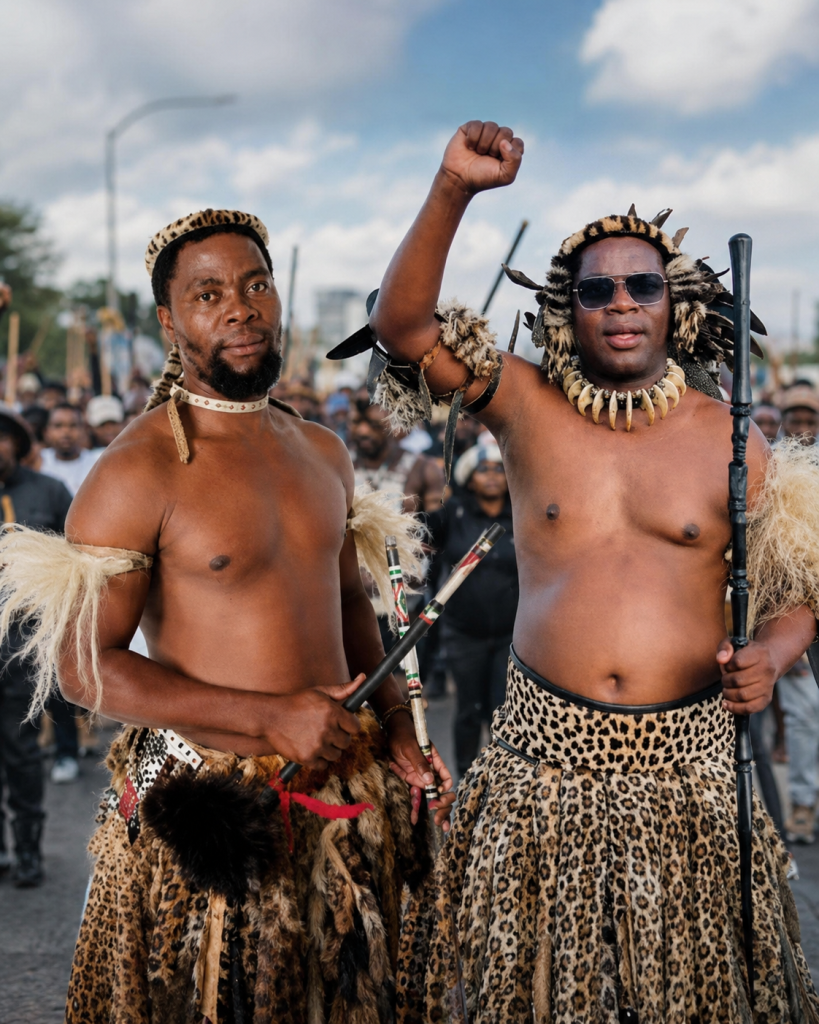
Economic Frustration Driving Public Sentiment
South Africa’s ongoing economic struggles continue to fuel public anger. With unemployment remaining among the highest in the world, many citizens believe undocumented immigration contributes to job shortages, illegal businesses and increased criminal activity.
Groups such as Operation Dudula have built support by campaigning against undocumented migrants and foreign-owned businesses in townships and inner cities. The movement argues that government has failed to secure borders and prioritise South African citizens in the economy.
Critics, however, argue that migrants are often unfairly blamed for broader economic failures, corruption and inequality. Human rights organisations warn that anti-immigrant rhetoric can easily escalate into violence, especially in vulnerable communities already struggling with poverty and crime.
Recent reports have already highlighted growing fears among foreign nationals living in Johannesburg, Durban and other urban centres. Some migrants have reportedly chosen voluntary repatriation programmes amid concerns over safety and rising hostility.
Balancing Law Enforcement and Human Rights
The immigration debate continues to expose one of South Africa’s most difficult balancing acts. Many South Africans agree that illegal immigration must be addressed through stronger border controls, efficient documentation systems and stricter enforcement of labour laws. At the same time, constitutional rights and human dignity remain central to the country’s democratic framework.
Analysts warn that failure to properly manage the issue could deepen social instability and damage South Africa’s relationships with neighbouring African countries. South Africa remains economically attractive to many migrants fleeing political instability, conflict and economic hardship elsewhere on the continent.
Government has repeatedly stressed that undocumented immigration should be handled through lawful procedures, not mob justice or public intimidation. The coming weeks will likely test the country’s ability to manage rising tensions while preventing violence and protecting constitutional order.
As June 30 approaches, the situation remains tense, emotional and politically charged. For many South Africans, the debate reflects deeper frustrations about unemployment, inequality, crime and the future direction of the country itself.