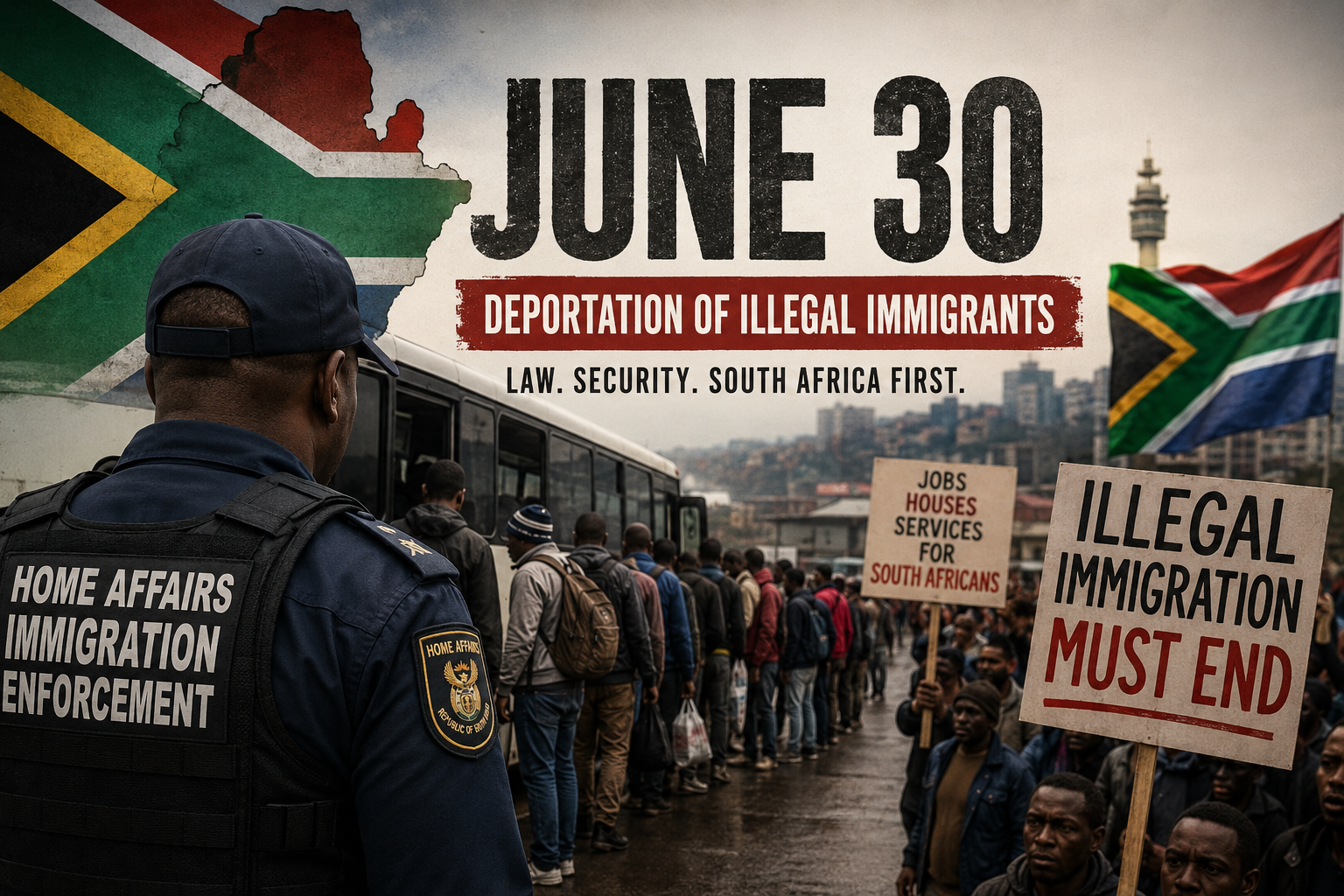






As geopolitical shifts and domestic challenges reshape the landscape, South Africa and the United States find themselves at a crossroads. This article delves into the complexities redefining their bilateral relationship in 2025.
Thank you for reading this post, don't forget to subscribe!
In 2025, the diplomatic relationship between the United States and South Africa is undergoing significant transformation. Historically anchored in mutual interests and shared democratic values, recent developments have introduced complexities that both nations must navigate carefully.
Historical Context
The US and South Africa have long maintained a partnership characterized by economic collaboration, educational exchanges, and joint efforts in health and security. The African Growth and Opportunity Act (AGOA), enacted in 2000, exemplifies this relationship by providing South African exports with duty-free access to the US market, bolstering trade and economic growth.


Recent Developments
However, recent events have tested this longstanding alliance. On May 21, 2025, Presidents Cyril Ramaphosa and Donald Trump engaged in a high-profile meeting at the White House. The discussions were marked by contentious debates over land reform in South Africa and allegations concerning the treatment of white farmers. President Trump expressed concerns about the expropriation of land without compensation, citing reports of violence against white farmers. President Ramaphosa countered these claims, emphasizing his government’s commitment to constitutional processes and equitable land redistribution aimed at rectifying historical injustices .
This meeting highlighted underlying tensions, with the US administration scrutinizing South Africa’s domestic policies and international alignments. Notably, South Africa’s non-aligned stance on the Russia-Ukraine conflict and its strengthening ties with BRICS nations have raised eyebrows in Washington.
Economic Initiatives Amid Tensions
Amid these diplomatic strains, South Africa has proposed a comprehensive trade initiative to the US. The proposal includes a 10-year agreement to import 75-100 million cubic feet of liquefied natural gas (LNG) annually from the US, aiming to diversify South Africa’s energy sources and reduce reliance on coal. Additionally, the deal seeks duty-free quotas for exporting vehicles, steel, and aluminum to the US, potentially generating up to $12 billion in trade over a decade .
This initiative reflects South Africa’s strategic efforts to strengthen economic ties with the US, even as political disagreements persist.
Domestic Challenges and International Perception
President Ramaphosa faces mounting domestic challenges, including economic stagnation, high unemployment, and political instability. The unity government formed by the African National Congress (ANC) and the Democratic Alliance (DA) has struggled to implement effective reforms. Internationally, South Africa’s image has been affected by controversial policies and statements, such as the expulsion of Ambassador Ebrahim Rasool from the US following critical remarks about President Trump .
These issues have prompted civil society groups, like Save South Africa, to criticize President Ramaphosa’s leadership, accusing him of lacking the agility to manage the country’s international relations effectively.

Looking Ahead
The evolving dynamics between the US and South Africa underscore the need for diplomatic finesse and strategic engagement. While economic initiatives like the proposed LNG deal offer avenues for collaboration, addressing political and human rights concerns remains crucial.
Both nations must work towards rebuilding trust and fostering a relationship that balances mutual interests with respect for sovereignty and democratic principles.