
A renewable power purchase agreement can give a company access to electricity from a wind or solar project under a long-term contract. For South African businesses facing energy-cost uncertainty and sustainability commitments, the arrangement may improve price visibility while supporting new generation. The contract details determine whether it is a practical hedge or a source of new risk.
Thank you for reading this post, don't forget to subscribe!The buyer should start with its consumption data. A supplier may offer a low energy price, but the company’s total bill also depends on network charges, balancing, wheeling arrangements, taxes and the shape of its demand. A solar project produces mainly in daylight; a factory that uses power through the night may need a portfolio of generators, storage or continued grid purchases. Matching supply to consumption is more important than chasing the largest renewable claim.
Eskom has been developing renewable offtake options for customers. In its renewable energy offtake programme announcement, the utility described power purchase agreements with terms ranging from five to 25 years and a phased supply approach. These products illustrate how procurement models are changing, although each buyer should assess current availability and terms directly with the provider.
Contract review should cover delivery volume, price indexation, credit support, curtailment, force majeure, settlement, environmental attributes and exit rights. The buyer should understand whether the agreement is physical or financial, who bears the cost if generation falls short and how renewable certificates are tracked. Legal, engineering and finance teams need to work from the same model before approval.
A credible PPA can also support investment in a new project. Long-term offtake gives lenders greater confidence in future revenue, which may help a developer reach financial close. That benefit is strongest when the buyer is creditworthy, the project has a clear grid connection and the contract allocates risk in a way both parties can manage.
South Africa’s electricity reforms are creating more routes for private procurement, but market rules and network capacity still matter. NERSA’s regulatory rules portal tracks changes relevant to trading and network charges. Companies should confirm the current framework for their location before signing.
Renewable procurement is most effective when it is part of a broader energy strategy that includes efficiency, backup needs and operational flexibility. A well-designed PPA can link corporate demand to new supply and reduce exposure to volatile costs. The objective is not a headline claim. It is dependable electricity, transparent accounting and a contract that works for the business over its full term.
Buyers should also set a review process after signing. Consumption patterns change when a factory expands, a company adds shifts or efficiency upgrades reduce demand. A contract that matched the original load may later create surplus or shortfall exposure. Annual reviews of the energy model, supplier performance and regulatory changes allow the business to adjust its wider procurement plan before small mismatches become expensive problems.
More reporting: Known Magazine Africa’s Energy coverage.
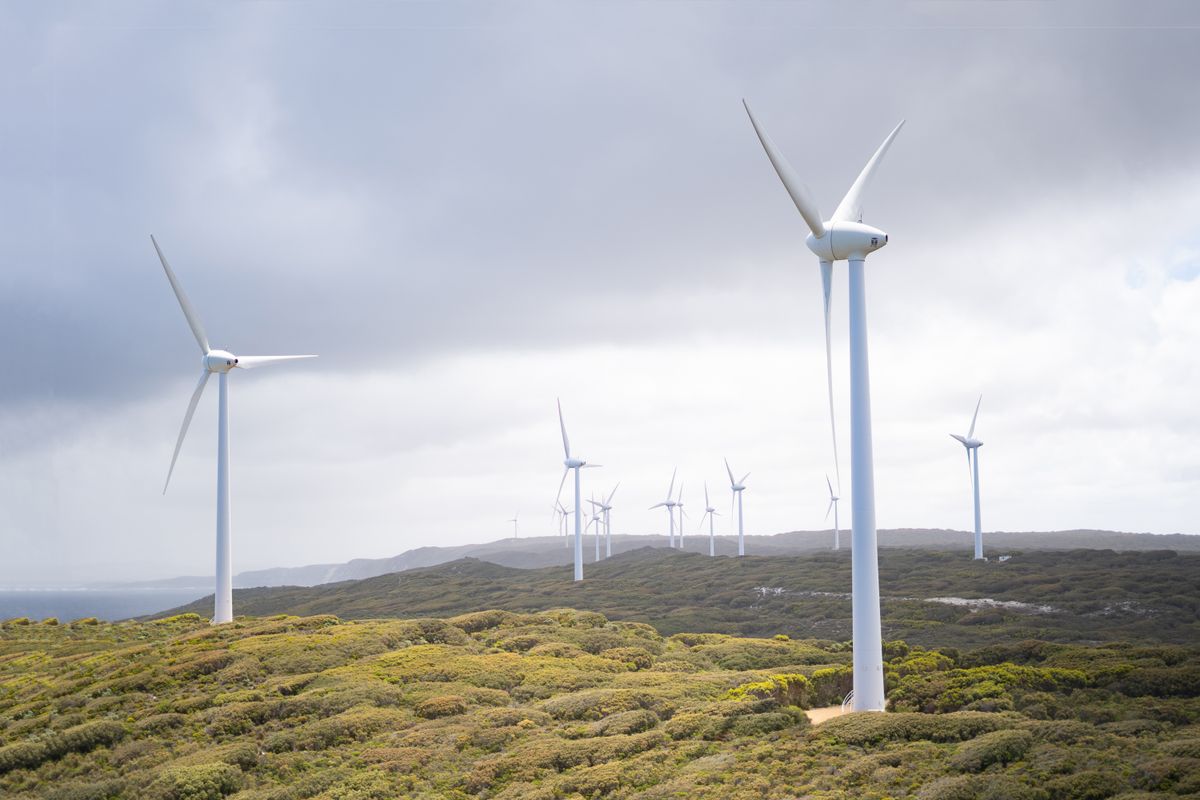
Photo: Wind energy stock image from Pexels


