
Green hydrogen has become one of Africa’s most visible energy ambitions. Produced by using renewable electricity to split water, it can help decarbonise some industrial processes and create new export opportunities. But a project announcement is not the same as a market. The sector’s near-term test is whether it can secure buyers, affordable power, water, infrastructure and financing at the same time.
Thank you for reading this post, don't forget to subscribe!The International Energy Agency’s Global Hydrogen Review 2026 reports that hydrogen use in Africa reached 3.1 million tonnes in 2024, concentrated in a handful of countries and mostly tied to conventional industrial uses such as ammonia. Low-emissions hydrogen production remained small. The IEA says the announced project pipeline could raise output by 2030, but only one project had reached final investment decision at the time of its analysis. The Africa chapter of the review is a useful measure of the gap between proposals and projects ready to build.
That gap is not surprising. Electrolysers consume large quantities of electricity. If renewable supply is expensive or unavailable around the clock, the cost of hydrogen rises. Producers also need water in regions where communities and agriculture may already face pressure. Pipelines, ports, storage and certification systems must be developed, while buyers need confidence that the fuel meets agreed emissions standards.
Domestic demand may be as important as exports. Fertiliser production, refineries, steelmaking and chemicals already use hydrogen or related feedstocks. Replacing high-emissions production in existing industries can create a clearer market than betting only on distant shipping demand. The IEA notes that African fertiliser ambitions could generate meaningful hydrogen demand, while much of the announced ammonia capacity is aimed at export markets. That balance makes offtake agreements and local value creation crucial issues.
South Africa has renewable resources, industrial capabilities and ports that could support parts of a hydrogen economy. Yet those assets must be connected to reliable power and credible project economics. The country’s planning documents and the IEA’s global review provide a starting point for evaluating the opportunity without treating every proposal as inevitable.
For communities, benefits should be concrete: skilled jobs, local suppliers, infrastructure that serves more than one project and safeguards for water use. For investors, the priority is bankable demand and predictable rules. Green hydrogen can complement Africa’s energy transition, but the strongest projects will be those built around real customers and transparent resource plans, not export headlines alone.
Industrial policy should be specific about the capabilities it wants to build. Training electrolysis technicians is useful, but so are skills in power engineering, water treatment, port logistics and project finance. Local supplier targets should be realistic and measured, with transparent reporting on jobs and procurement. Public support can help early projects cross a financing gap, but it should be linked to credible milestones and a plan for long-term operation.
More reporting: Known Magazine Africa’s Energy coverage.
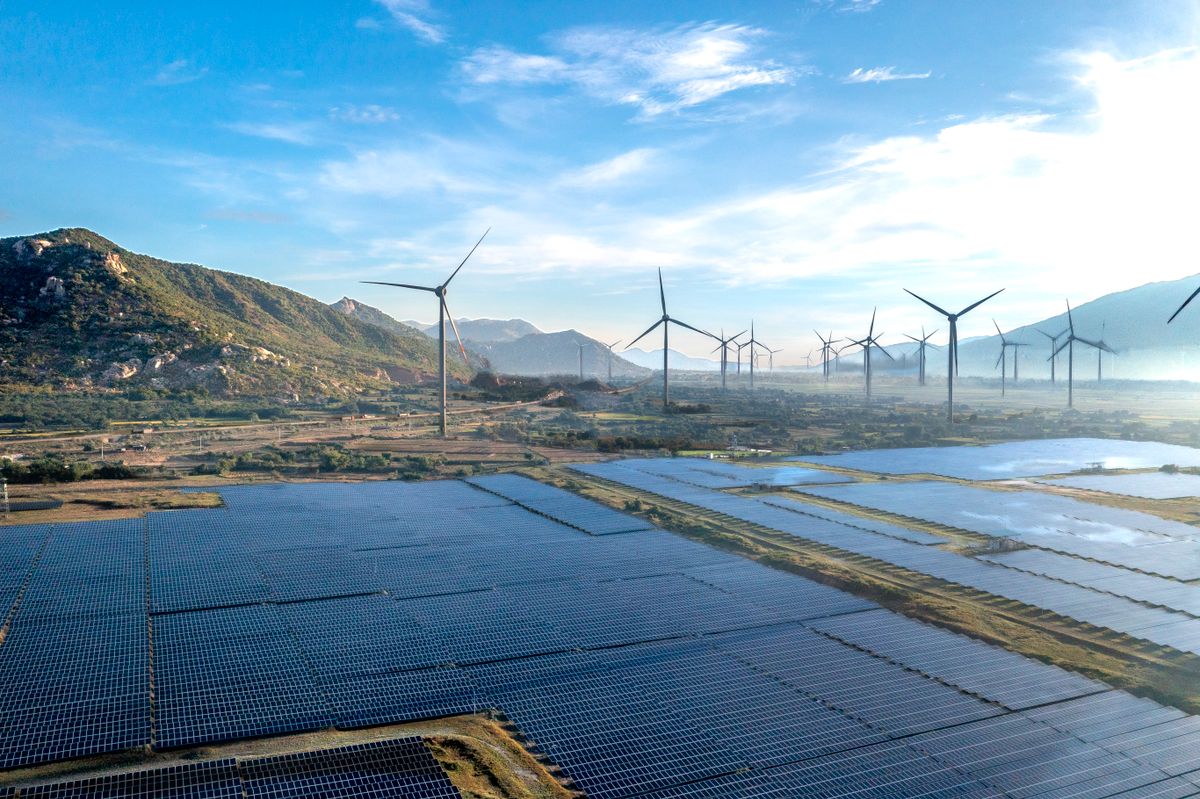
Photo: Related stock image on Pexels


