
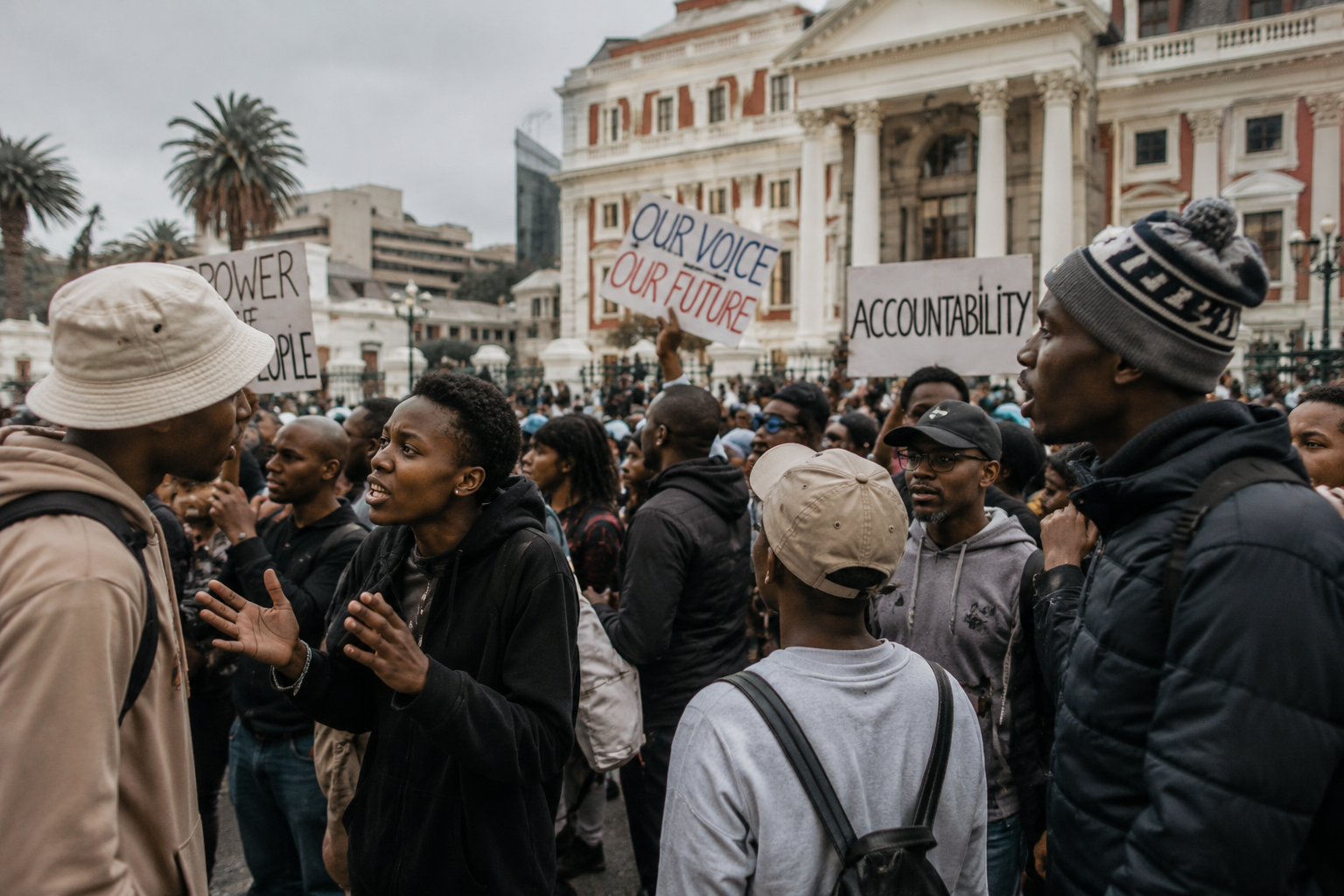
South African politics has become less about ideology and more about survival. Every week feels like a new episode of political drama, alliances shift overnight, leaders attack each other publicly and then suddenly appear smiling together at press conferences.
Thank you for reading this post, don't forget to subscribe!The rise of coalition politics has completely changed the game. No single party holds absolute dominance anymore, and now every vote, every municipality and every alliance matters. Politics has become a giant chessboard where everyone is calculating their next move.
For ordinary citizens, though, the constant political games are becoming exhausting. Service delivery is slow, infrastructure is crumbling in many areas, and communities are tired of hearing politicians blame each other instead of fixing problems.
The ANC is facing pressure from every direction. Opposition parties are growing louder, while internal battles continue creating instability. At the same time, parties like the EFF and MK are reshaping the political conversation by tapping into anger around inequality, unemployment and land ownership.
What’s interesting is how young voters are responding. Many are disconnected from traditional party loyalty. They don’t vote because of liberation history anymore. They vote based on frustration, unemployment and whether politicians actually speak their language.
Social media has also changed politics completely. Politicians are no longer controlled by television interviews and newspaper headlines alone. One viral clip on TikTok can shape public opinion overnight. Young South Africans are consuming politics through memes, podcasts and livestreams instead of traditional media.
Across Africa, coalition politics and political instability are also becoming more common. Countries like Kenya and Nigeria are facing growing public pressure from younger populations demanding transparency and economic opportunities.
Globally, politics is becoming increasingly divided. In America, Europe and parts of Asia, citizens are losing trust in institutions and traditional leadership. South Africa is not isolated from these global shifts.
The danger with coalition politics is that governments can become too focused on political survival instead of governance. Parties spend more time negotiating positions than solving unemployment or fixing municipalities.
Yet there’s also an opportunity hidden in this new era. Coalitions force parties to compromise and engage with different viewpoints. South Africans are slowly learning that democracy is messy, complicated and sometimes uncomfortable.
The real challenge now is leadership. South Africans are hungry for leaders who feel authentic, grounded and connected to everyday struggles. Not polished speeches. Not endless slogans. Real leadership.
Because right now, many citizens feel like they’re watching politicians play chess while ordinary people struggle just to survive the month.